





From rehabilitation roots to modern ritual
There’s something unmistakable about the Reformer, the glide of the carriage, the resistance of the springs, the way each movement demands control and intention.
Today, it feels refined, well-designed and highly in-demand, however, it didn’t begin this way.
Where It Started
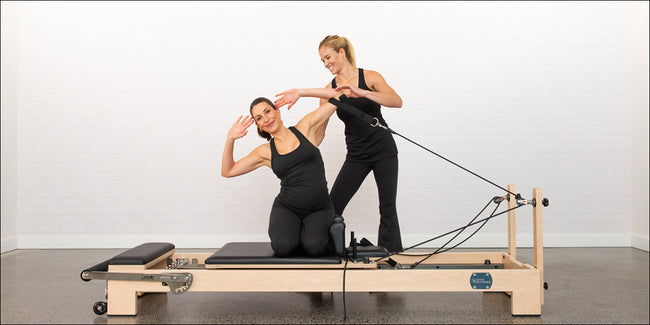
Reformer Pilates was created by Joseph Pilates in the early 20th century, originally as a system for rehabilitation. Using spring-based resistance, first improvised on hospital beds, his method helped injured patients rebuild strength through controlled, low-impact movement.
For decades, Pilates remained relatively niche. It lived in physiotherapy clinics and dance studios, grounded in function over form.
The Shift
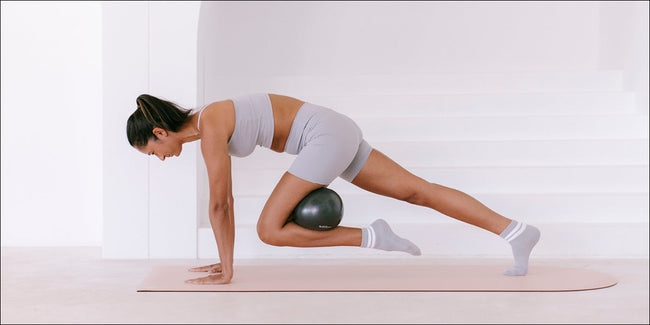
Fast forward, and Reformer Pilates has been completely reimagined. What was once clinical is now experiential. Studios have become curated spaces, classes are immersive, and the method itself has expanded beyond recovery into strength, lifestyle, and community. It’s no longer something people have to do, it’s something they actively want to do.
The Modern Experience
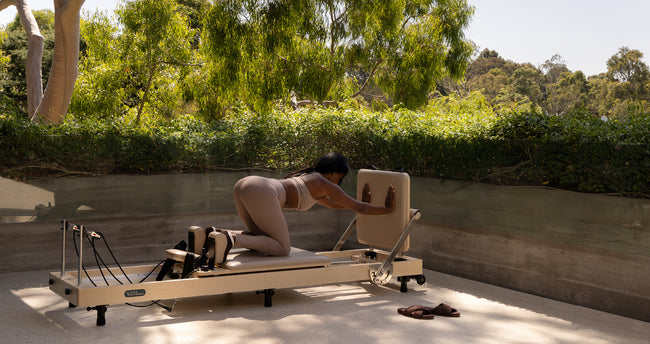
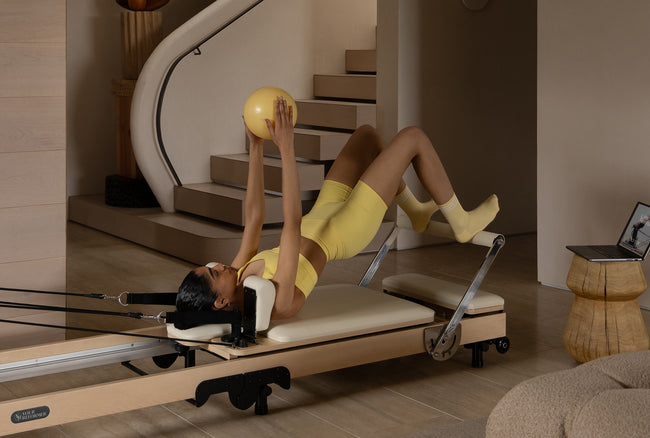
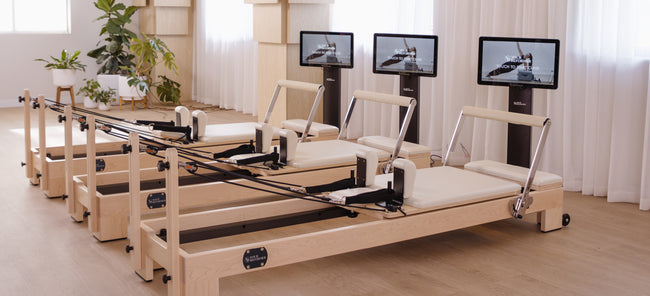
Today’s Reformer blends performance with design. Reformers are more refined, studios are more intentional, and the experience extends beyond the room, through digital platforms, on-demand classes, and connected programming. What was once a standalone workout is now part of a broader, hybrid fitness ecosystem.
What Hasn’t Changed
Despite its evolution, the foundation remains the same. The principles established by Joseph Pilates, control, precision, and alignment, still define every class. It’s simply the way they’re delivered that has evolved.
Then vs Now
Reformer Pilates hasn’t changed in purpose, only in perception. From rehabilitation to ritual, it’s become more than a method. It’s an experience people return to, again and again.
Ready to embrace the evolution of Reformer Pilates? Contact our Commercial team today.